Rethinking Gravel: A Considered Material for Contemporary Garden Design
Article by: Lauren Ailish-Skinner
- Advice
- Perspectives
The gravel garden has been enjoying something of a resurgence in recent years. With warmer UK summers, increasingly unpredictable rainfall and a growing interest in lower-maintenance outdoor spaces, it’s perhaps no surprise that this once-overlooked material is finding its way back into contemporary garden design.
But gravel has more to offer than simply being a practical or budget-friendly alternative to traditional paving. With an increasingly varied choice of aggregates, colours, textures and recycled materials available, it can be a considered design decision in its own right.
At Garden Club London, we see gravel as a material with plenty of potential, particularly when it is used thoughtfully alongside planting and more solid landscaping materials.
More than just a budget-friendly alternative
Gravel has sometimes been dismissed as an inexpensive or temporary solution, often associated with loose stones migrating across paths or an untidy finish that requires constant attention.
However, much of this comes down to material selection and installation. With the right aggregate, appropriate ground preparation and well-considered edging, gravel can create a durable surface that sits comfortably within the wider landscape.
Aesthetically, it offers something quite different to traditional paving. Its natural variation in colour and texture introduces softness, bringing a more relaxed quality to a garden. Whether working with a contemporary urban space or a more naturalistic planting scheme, the choice of aggregate can have a significant influence on the overall character of the design.
Rather than treating gravel as an afterthought, it can be selected as an integral part of the material palette from the outset.
Creating definition without overusing hard landscaping
Not every area of a garden needs to be paved.
Solid surfaces have an important role to play, particularly around thresholds, dining areas and routes that experience heavier foot traffic. However, extending these materials across an entire garden can sometimes create a space that feels overly hard or disconnected from its planting.
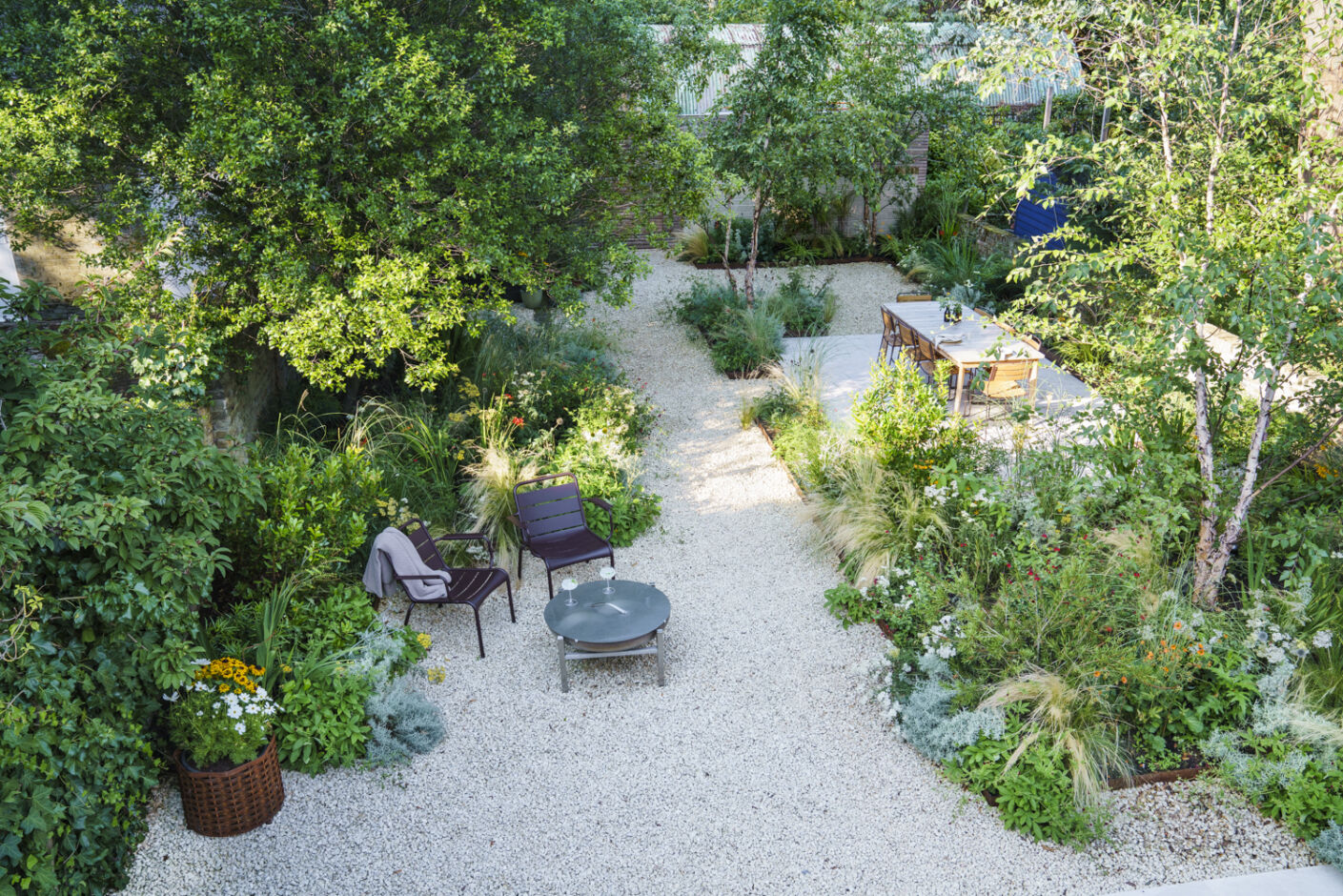
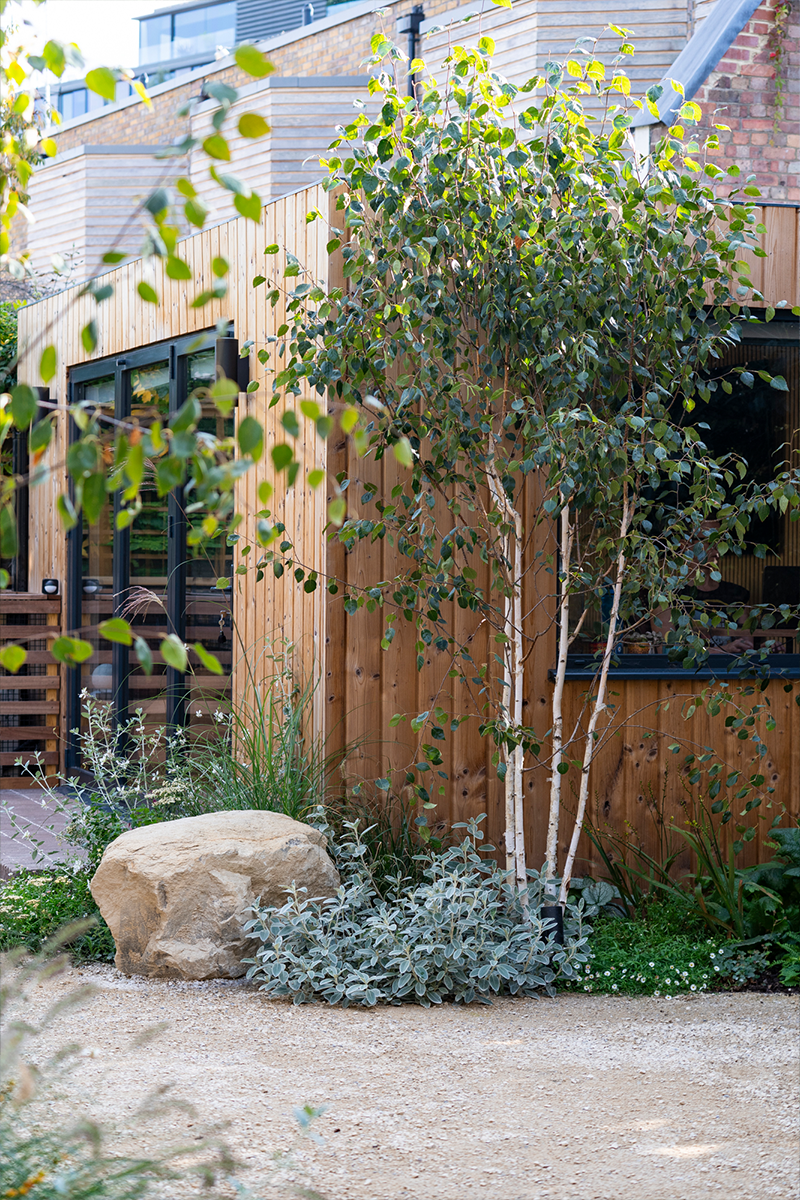
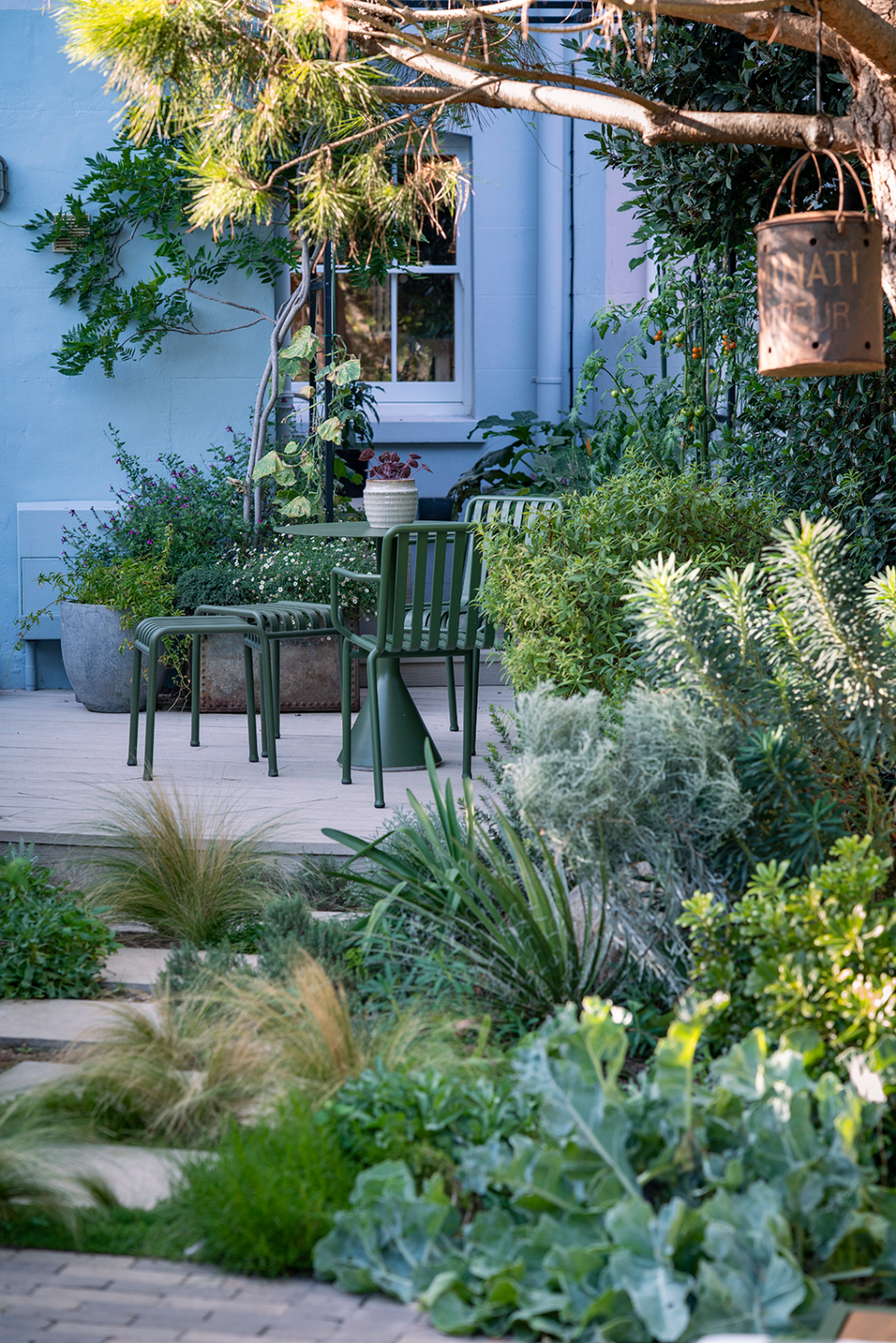
Gravel provides an opportunity to introduce a different kind of surface. It can define pathways, connect different areas of a garden and create transitions between terraces and planted borders without the visual weight of extensive paving. It also allows planting to soften the edges of a space, helping the landscape feel more integrated.
This balance between solid and permeable materials is often where the most interesting design opportunities lie. Rather than choosing one material throughout, combining gravel with carefully positioned paving can create a more varied and considered landscape.
Working with water, not against it
One of the most valuable benefits of gravel is its permeability. Unlike conventional impermeable paving, a suitably specified gravel surface allows rainwater to pass through the surface and into the ground below. This can help reduce surface water runoff and contribute to better management of rainfall within the garden.
This is particularly relevant in urban environments, where extensive areas of hard landscaping can place additional pressure on drainage systems during periods of heavy rainfall. As landscape designers, considering how water moves through a garden is an important part of creating a space that performs as well as it looks. Reducing the amount of impermeable surfacing, where practical, is one way of making a positive contribution. Of course, permeability depends on the construction beneath the gravel as well as the surface material itself. Appropriate ground preparation and drainage design remain essential.
Exploring recycled and reclaimed aggregates
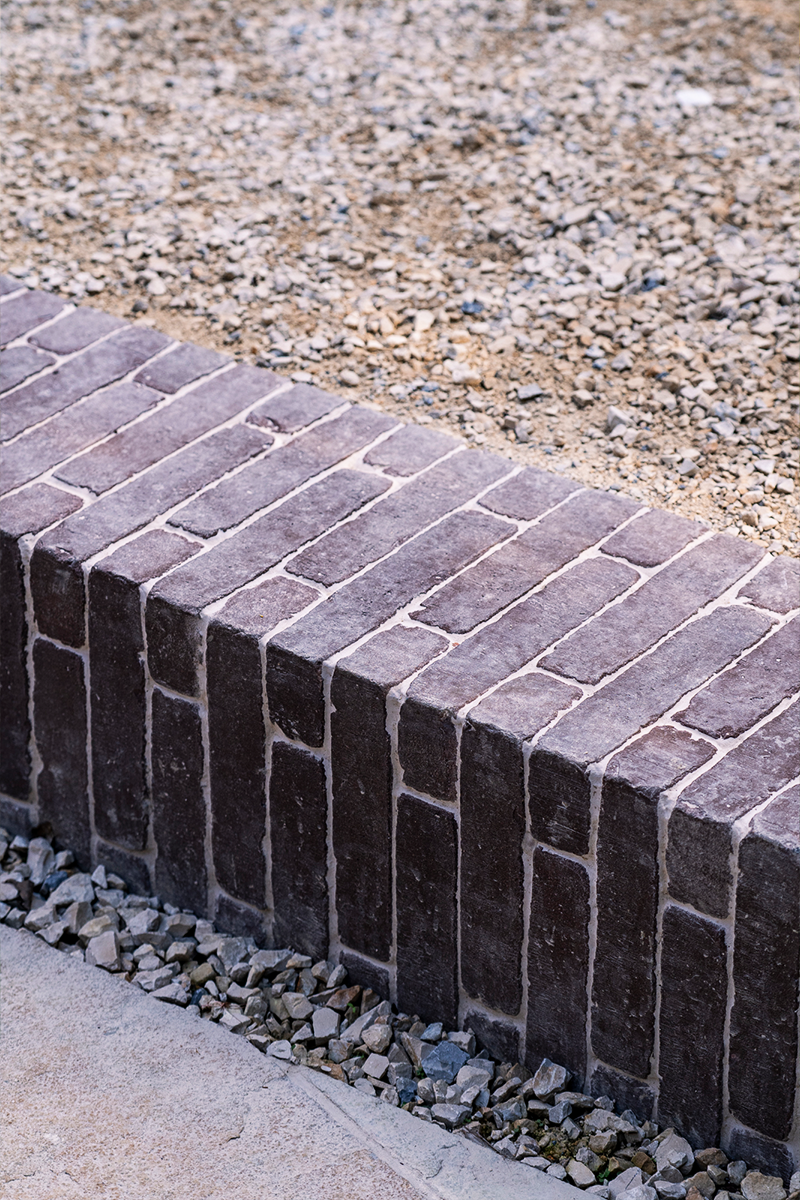
The choice of gravel available today extends well beyond traditional pea shingle. Different aggregates offer a variety of colours, sizes and finishes, allowing the material to complement the architecture and planting palette of a garden. There are also opportunities to explore more sustainable options through recycled and reclaimed materials.
Crushed brick, for example, can be used as an alternative aggregate, introducing warmer tones and giving an existing material a new purpose.
These choices allow gravel to become part of a wider material story, rather than simply a functional surface. When selected alongside paving, timber, stone and planting, it can help create a cohesive design that feels both individual and considered.
A more considered approach to the budget
Cost is another reason gravel is worth considering. Compared with extensive paved areas, gravel can offer meaningful savings on both materials and installation. Depending on the specification and site conditions, using gravel strategically can reduce the overall hard landscaping budget by 20% or more.
The benefit isn’t simply about spending less. It’s about allocating the budget where it will have the greatest impact. By reserving more expensive paving materials for the areas that genuinely require them, there may be greater scope to invest in other elements of the garden, from generous planting and mature trees to considered lighting and bespoke details.
For projects where the overall budget needs to work particularly hard, this can make a significant difference to the finished scheme.
Giving gravel another look
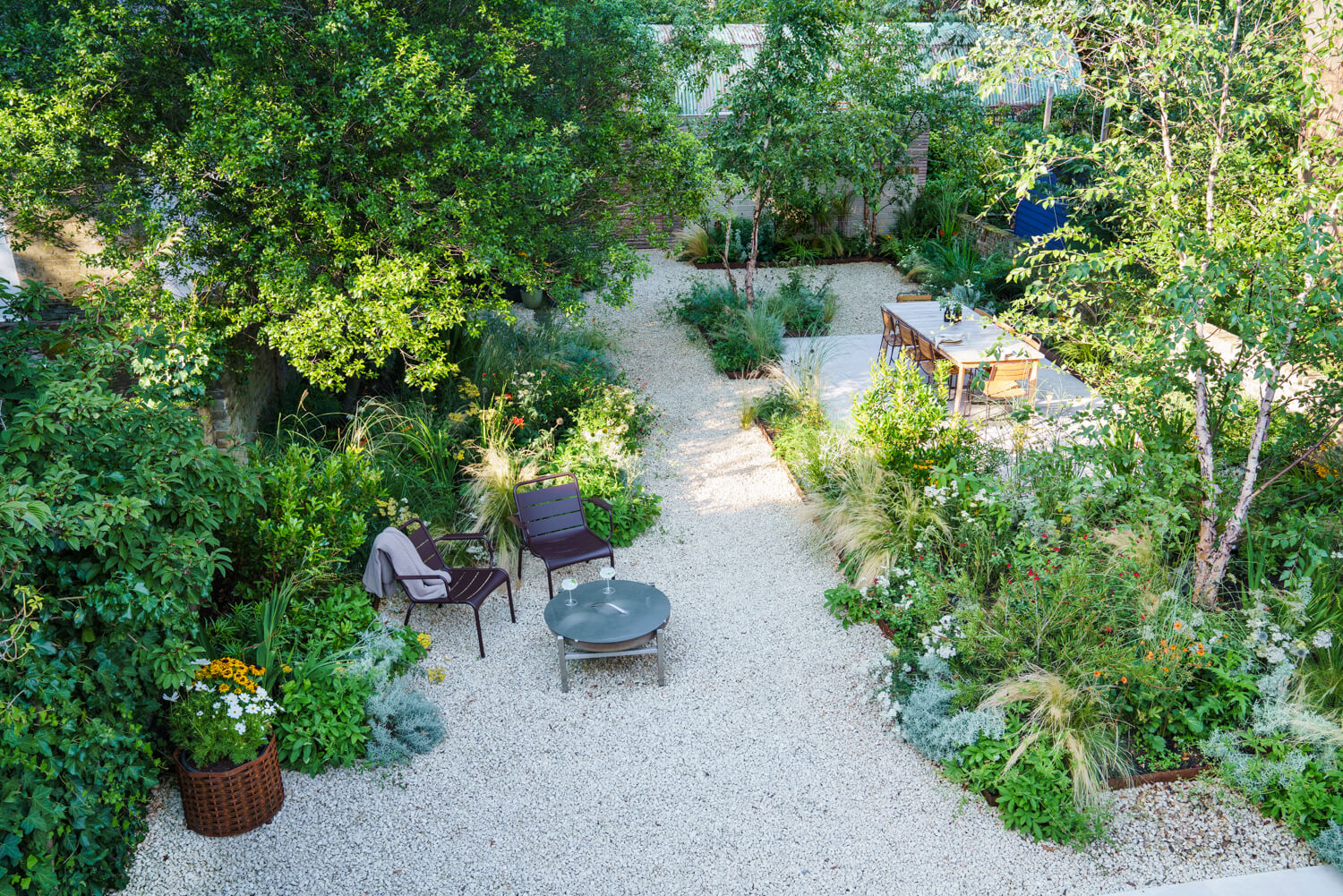
Gravel isn’t necessarily the right solution for every garden, and it doesn’t need to replace paving entirely. There are practical considerations around accessibility, maintenance, foot traffic and the specific requirements of each site. But when used in the right places, it offers a combination of aesthetic flexibility, permeability and cost-effectiveness that is difficult to overlook.
Perhaps the most important thing is to move away from thinking of gravel as simply the cheaper option. With the right material and a considered approach to the wider landscape, it can be one of the most effective design decisions in a garden.
Sometimes, the best gardens aren’t about adding more hard landscaping, but knowing where less is more.