Is it a garden trend if it’s here to stay?
Article by: Tony Woods
- Inspiration
Each year I am asked to comment on the top trends for the following year. I am delighted to share that an overarching trend is timeless aesthetic and treading lightly on what lays before us. In reality this means learning lessons from the past – how do we feel when we step into a garden that feels as though is has been there forever? It’s our job to make this magic happen again and again in every garden using the best of what exists. Pruning plants with potential, re-laying beautiful of York stone and repairing furniture, walls and features to last another 100 years. It makes sense for the aesthetic; it is the right thing to do for the environment and it also goes a long way to preserving a budget!
Here are eight garden design and gardening trends that have real momentum now and are set to carry through 2026 and beyond. It feels that these trends are not just a fad, they are here to stay for good and do good.
1.
Climate-resilient, water-wise planting
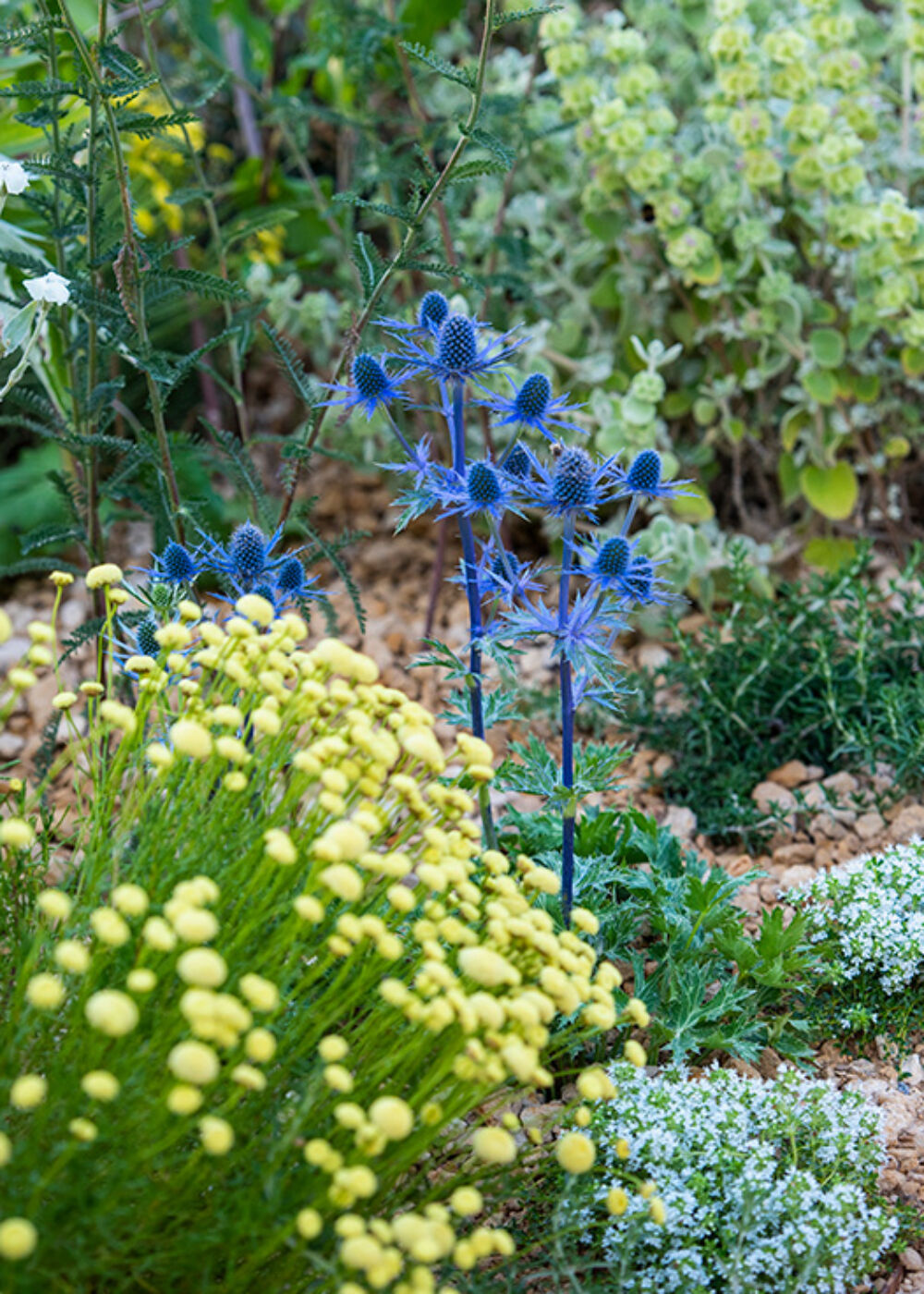
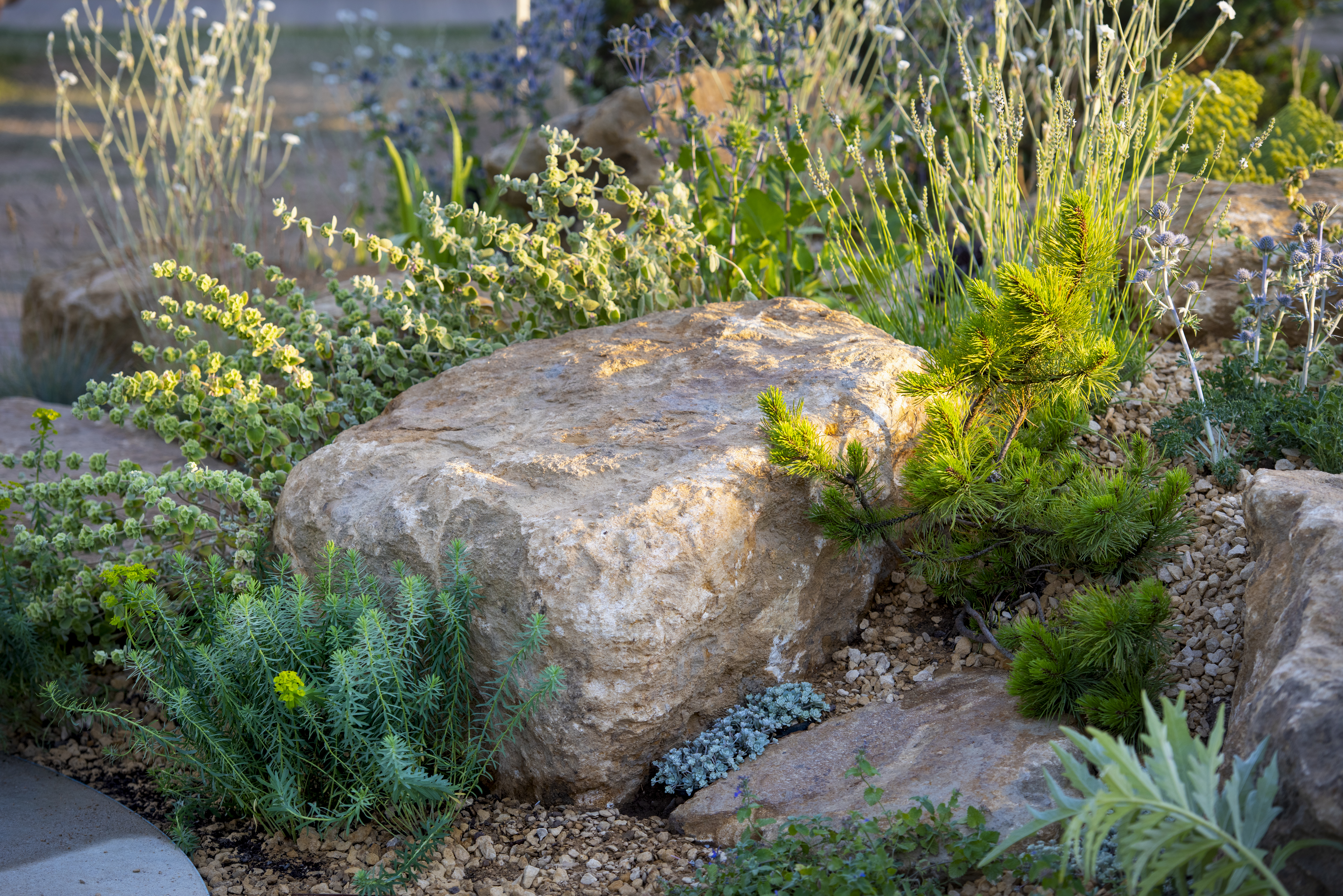
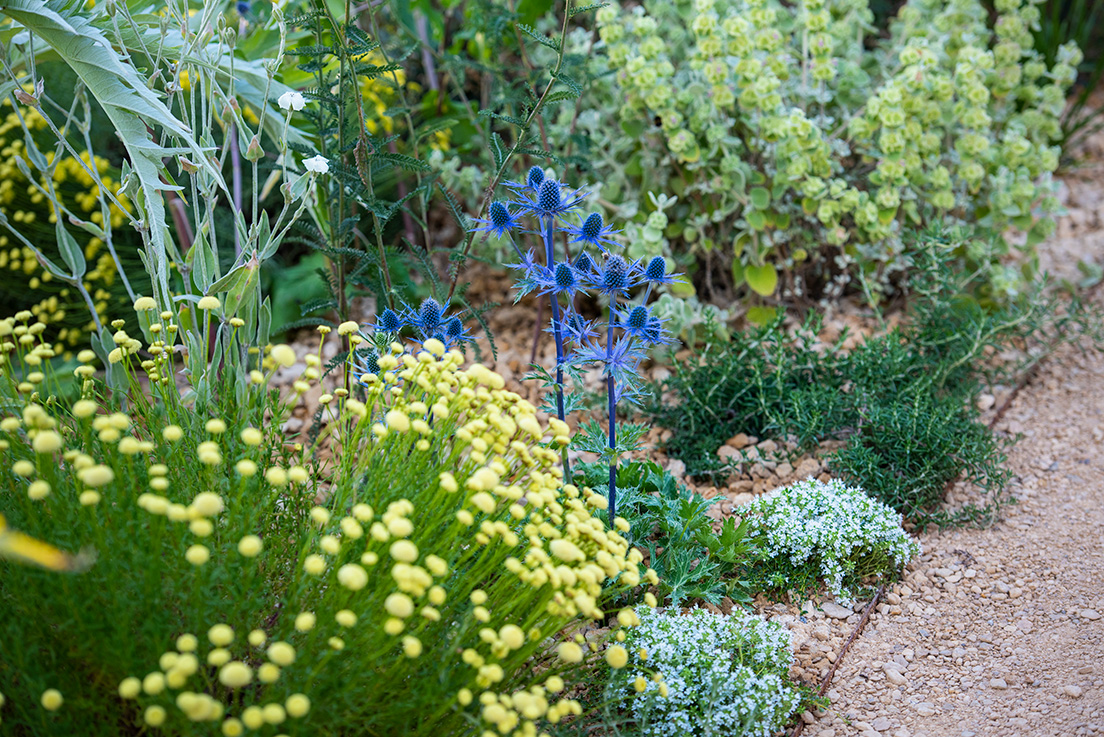
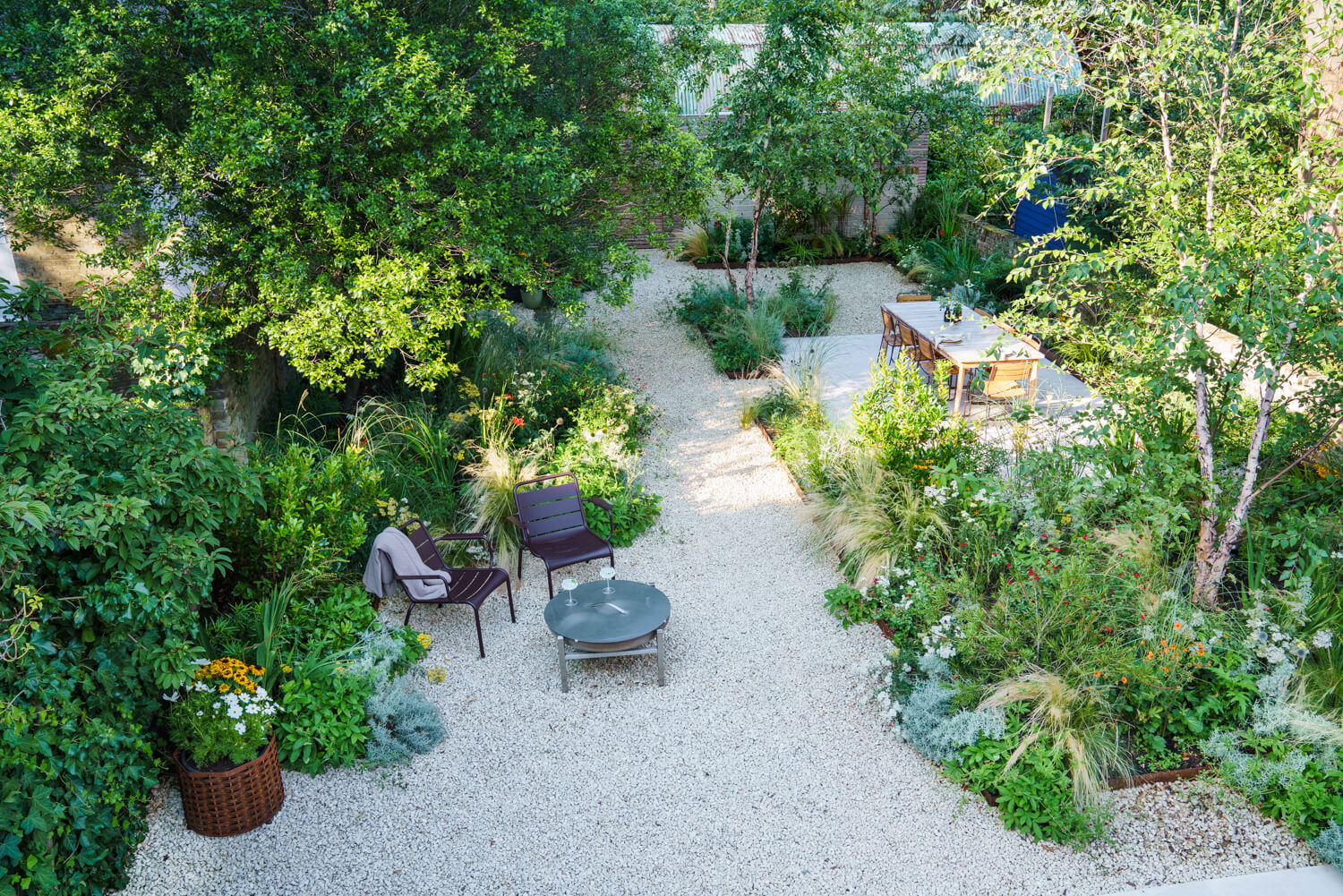
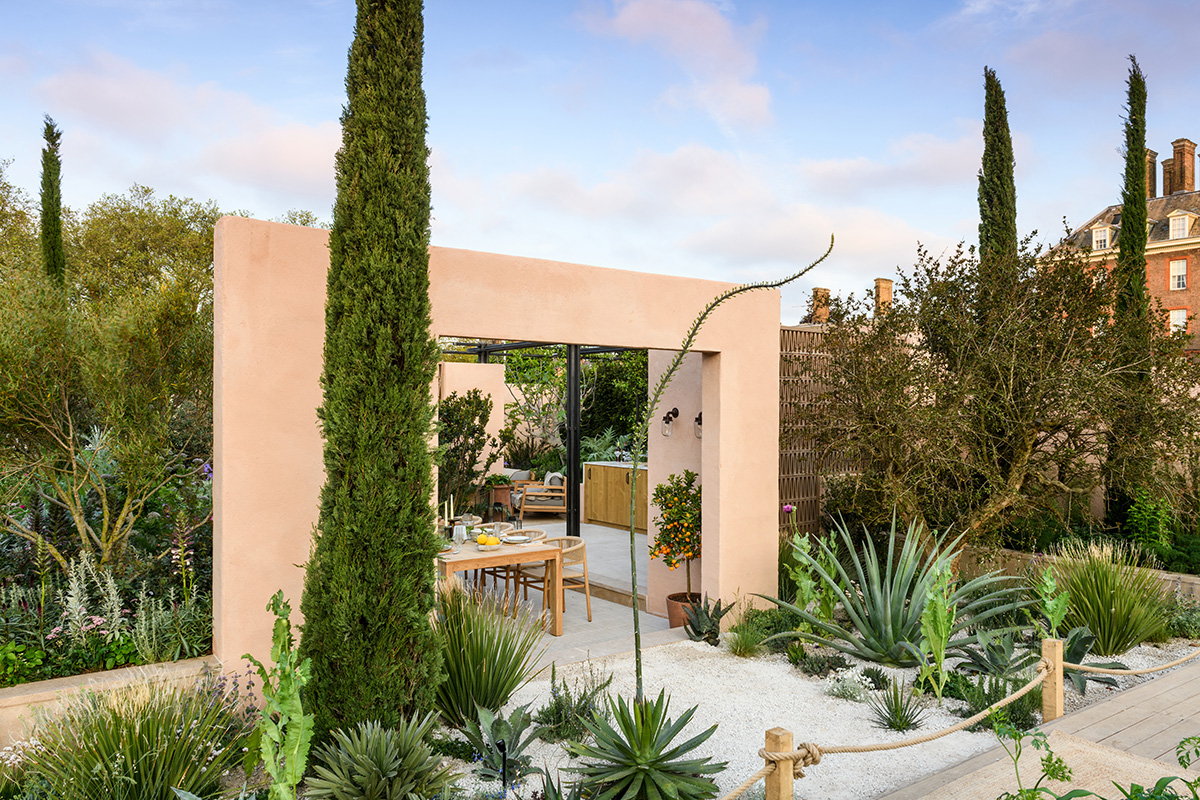
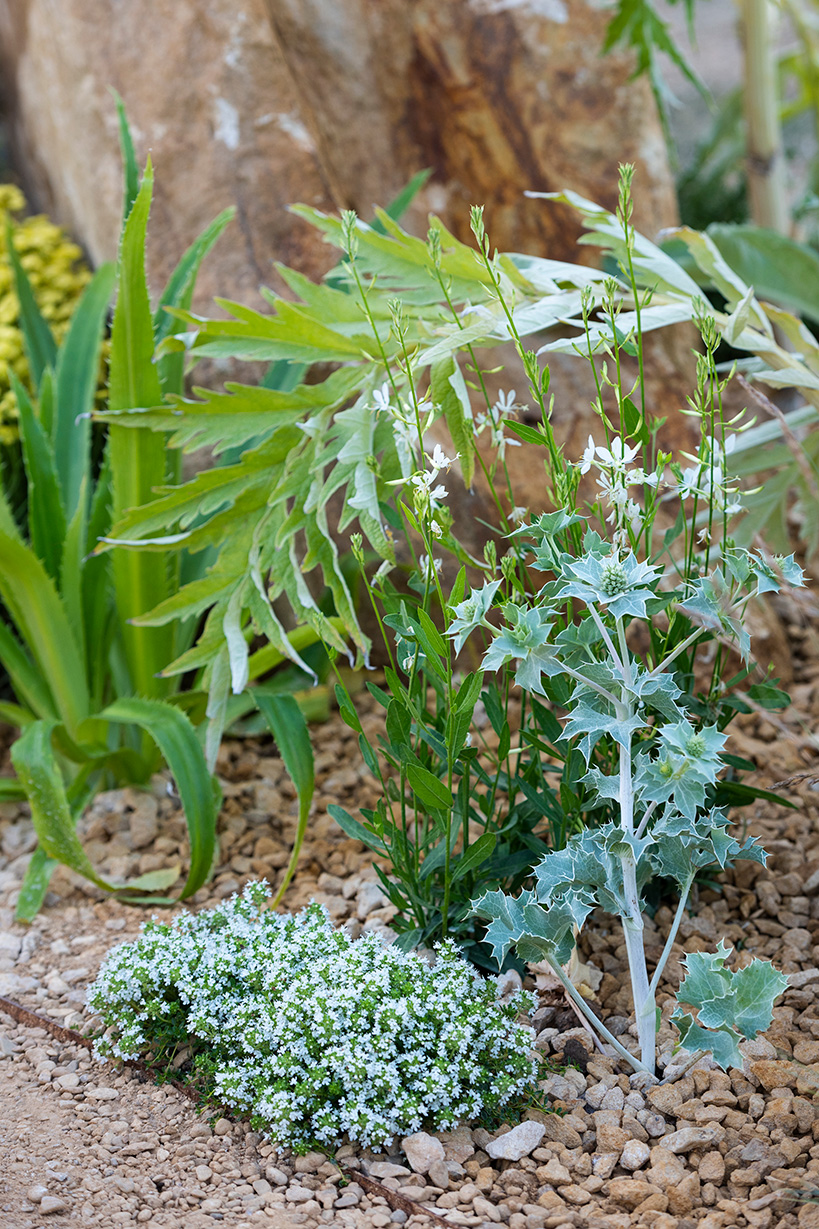
Expect tougher, more diverse, drought-tolerant palettes with plants that self-seed or can recover after a long dry spell. Think Mediterranean/coastal species; shrubbier structure; resilient groundcovers often planted in a sand based planting mix and mulched with gravel or recycled brick, plus rain capture and soakaway thinking cleverly integrated into planting schemes. Chelsea 2025 was full of it, and the RHS has doubled down with fresh guidance and titles on drought and flood design. More technical planting schemes include plants that have been trialled for withstanding extremes of weather – remaining partially submerged after flash flooding whilst tolerating drought for longer periods of time.
2.
Natural, reclaimed and bio-based materials
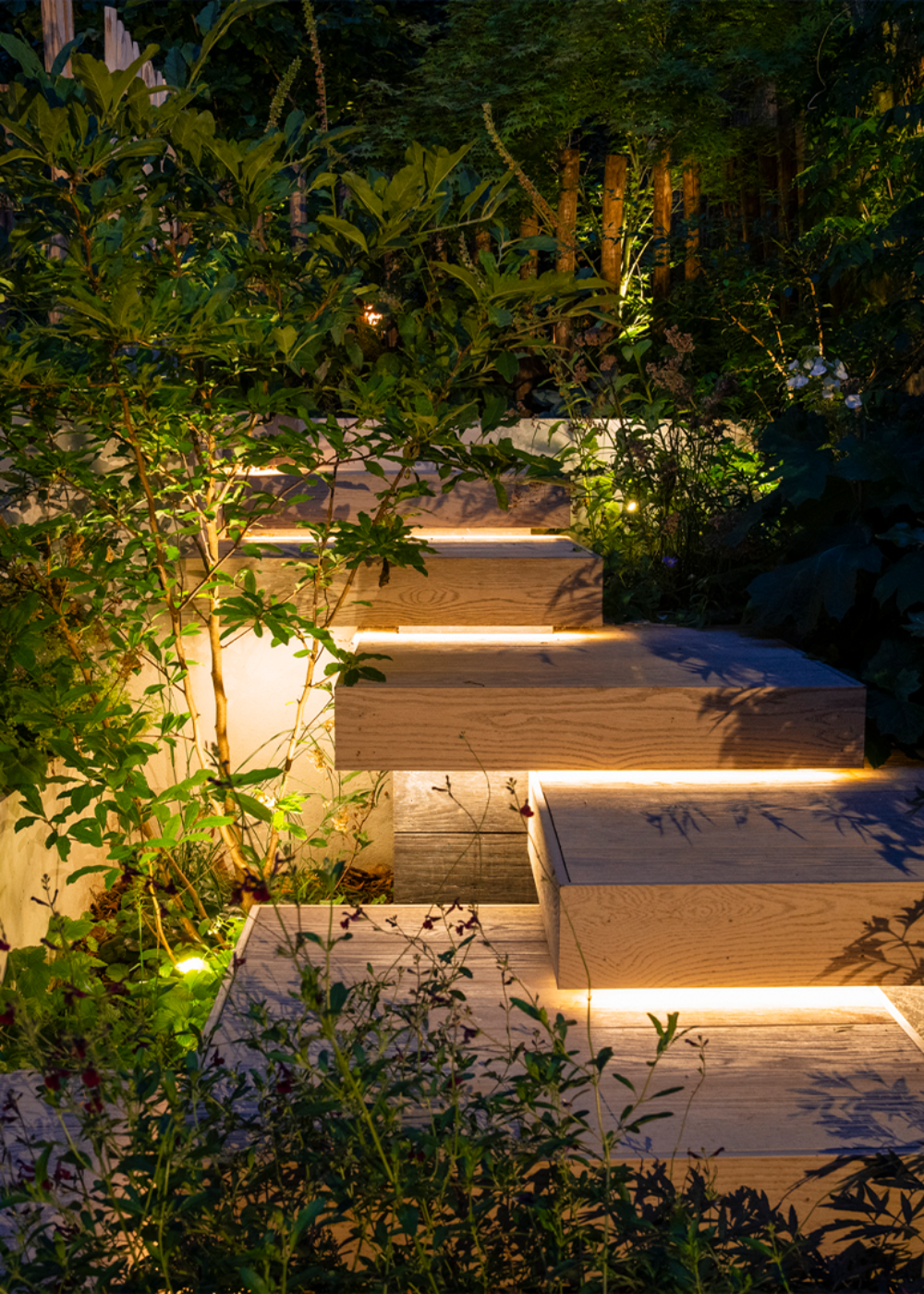
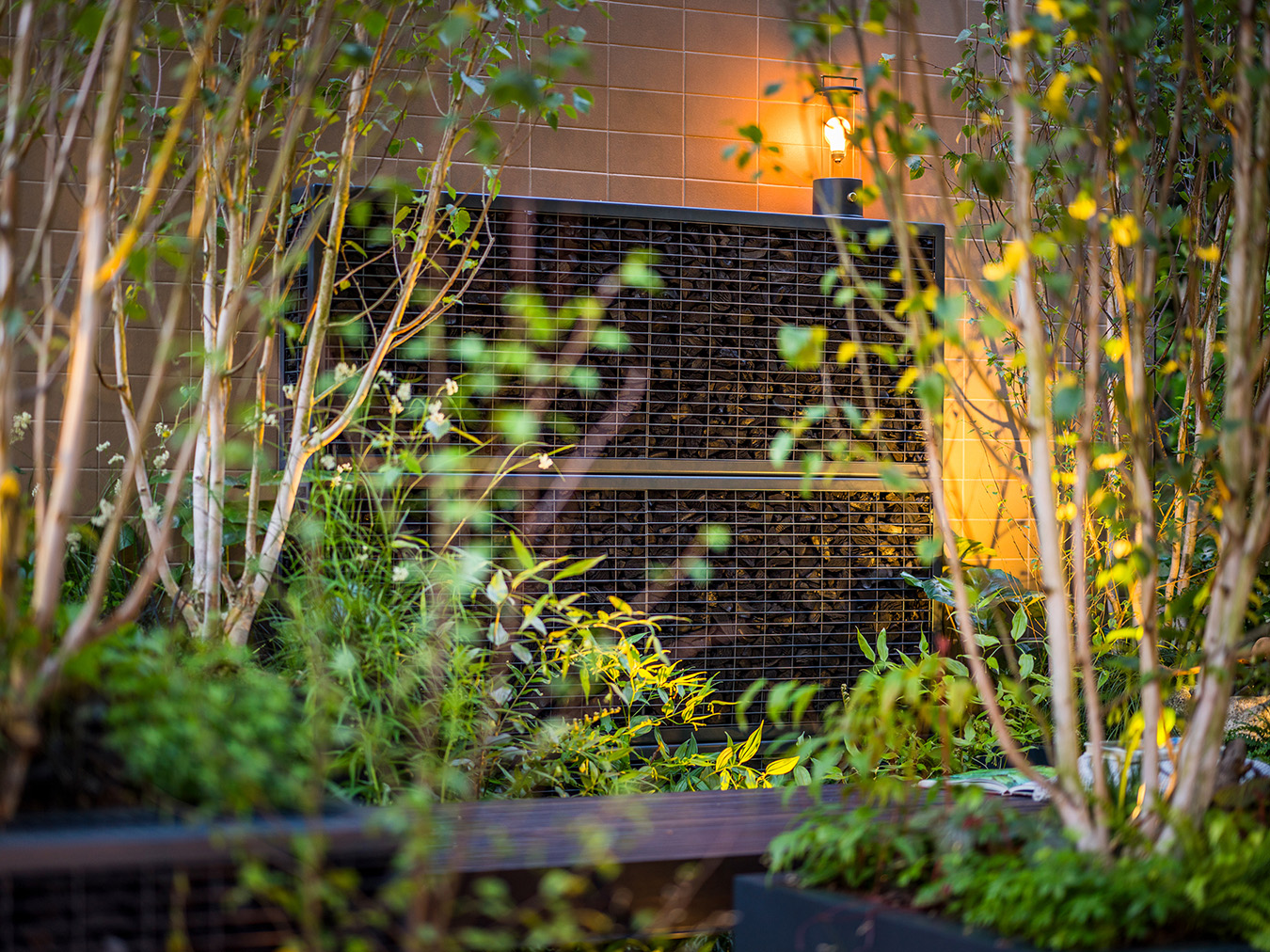
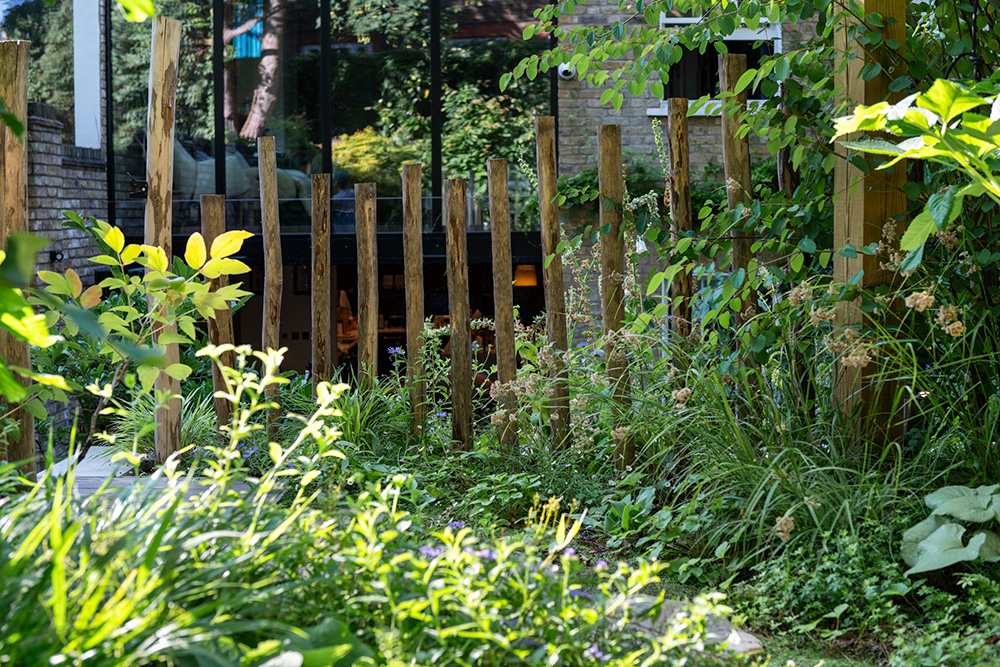
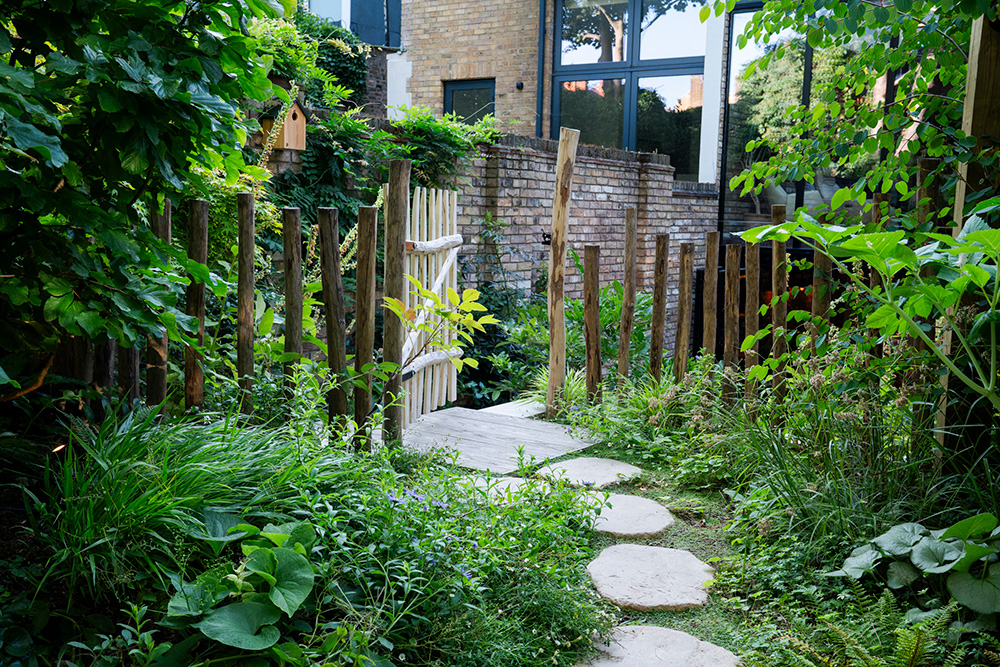
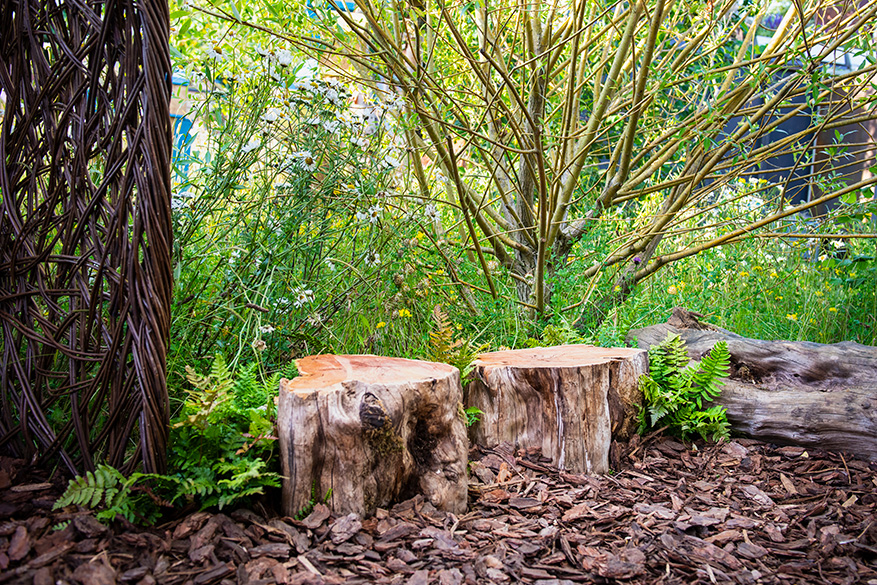
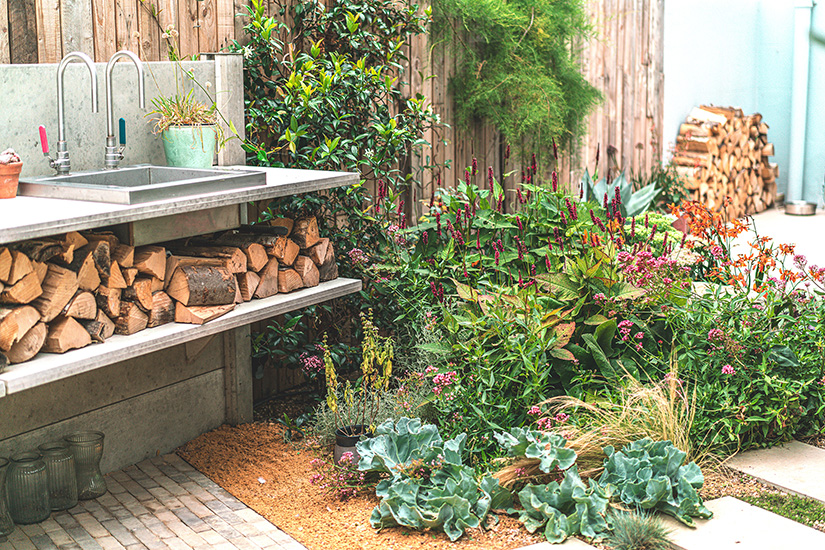
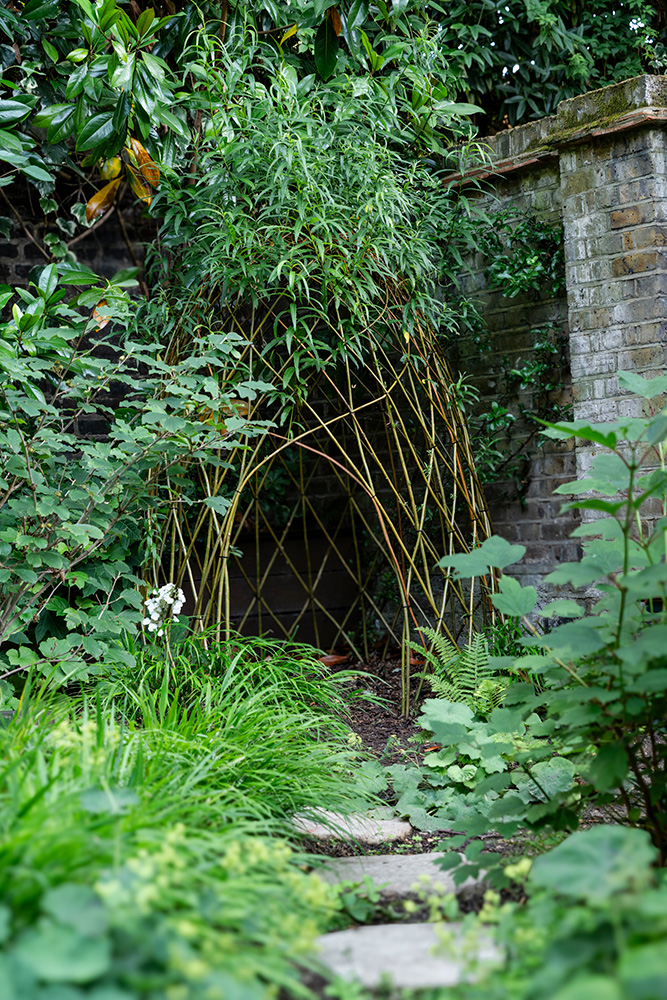
Designers are favouring reclaimed stone and timber, ideally re-use of stone and materials from the garden or refurbishment of a property. Chunky gravel/permeable setts, bricks and ‘stackers’offer a timeless finish that can be installed with a contemporary or traditional style (Herringbone is certainly the laying pattern of choice this year). Weaved willow and hazel replaced preservative soaked panels to support plants, create privacy and add character. Expect more shou-sugi-ban/charred timbers, tactile woods and locally sourced stone. At Chelsea flower show this year we even experimented with stacked charcoal in contemporary gabions which added a new dimension to the way this stunning material captured the light. Porcelain cooled as “too slick” and even the best natural stone dupes have failed to weather enough or marry up to contrasting materials such as stackers.
3.
Wildlife-first detailing, woven into the hardscape
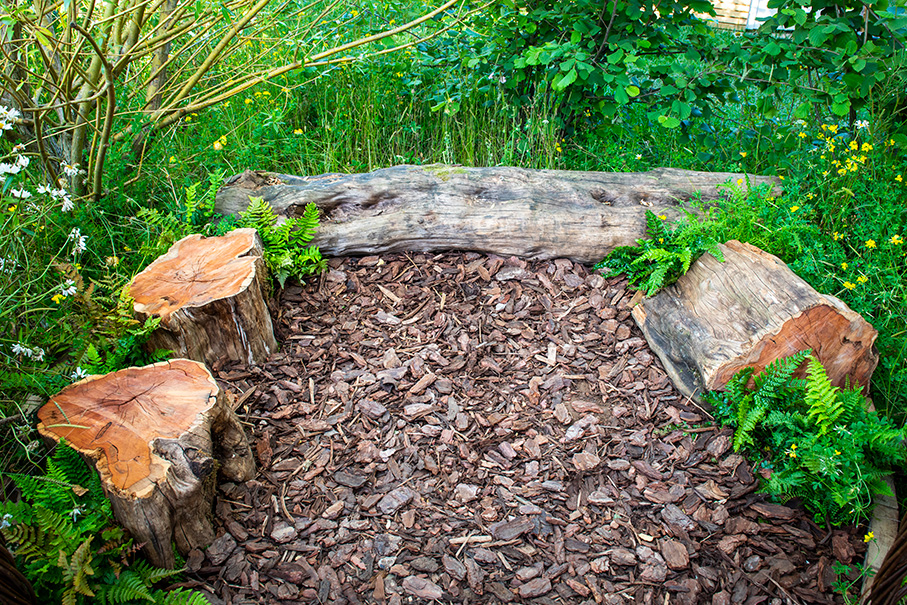
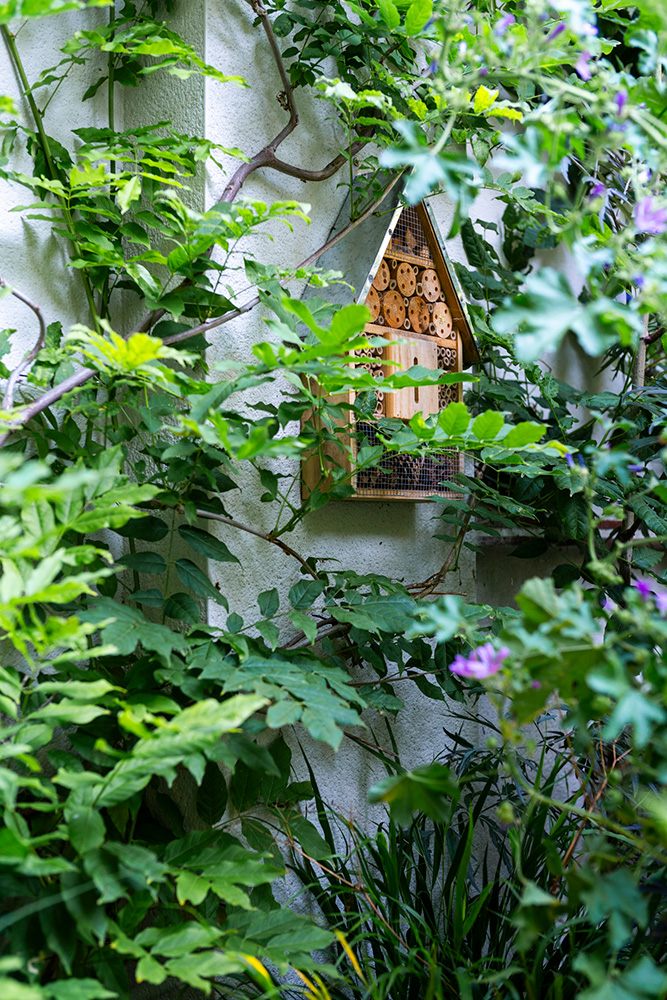
From log walls and bee hotels to habitat voids in seating and planters, the “for nature as well as people” mantra is now core infrastructure, not an add-on. It’s a joy to have clients actively including this as part of their brief with requests for everything from swift bricks and boxes to mini-beast mounds.
4.
Coastal & Mediterranean moods beyond the seaside
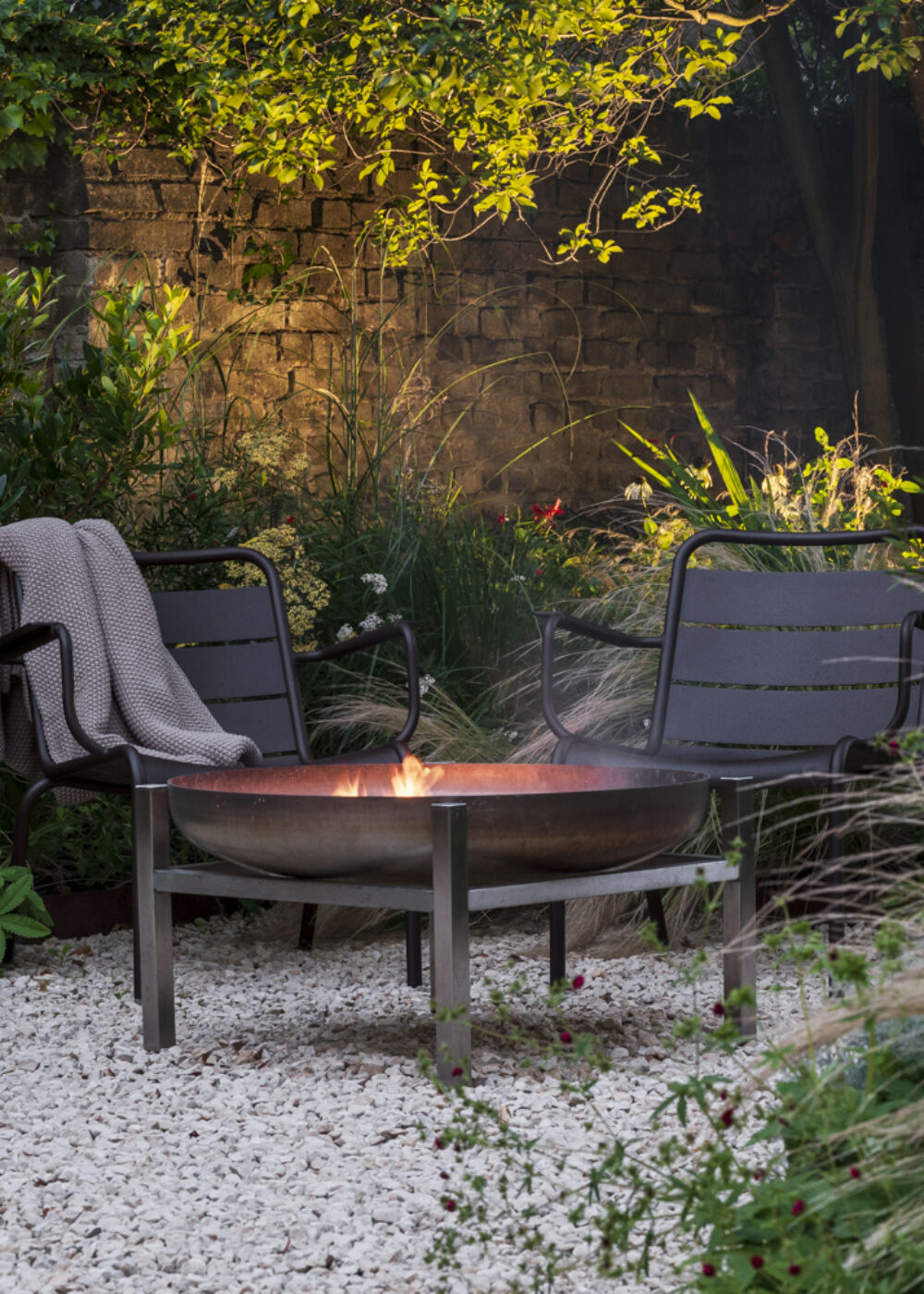
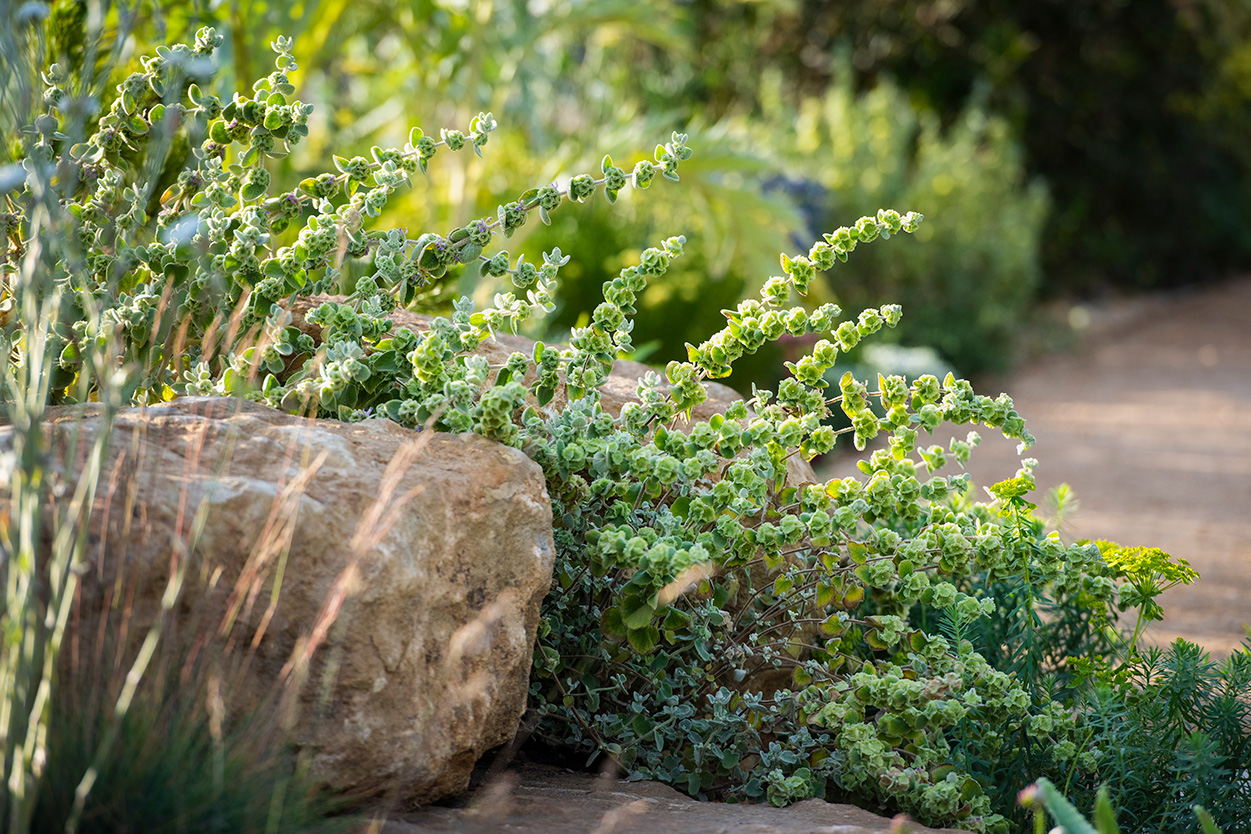
Salt-tolerant, wind-brushed grasslands and silvery evergreens meet sand/gravel substrates—used inland as resilient, climate-appropriate style. Expect more Stipa, Euphorbia, Cistus, Armeria; pale mineral palettes and dune-like topography.
5.
Small-space ingenuity: containers, balconies, mews-fronts
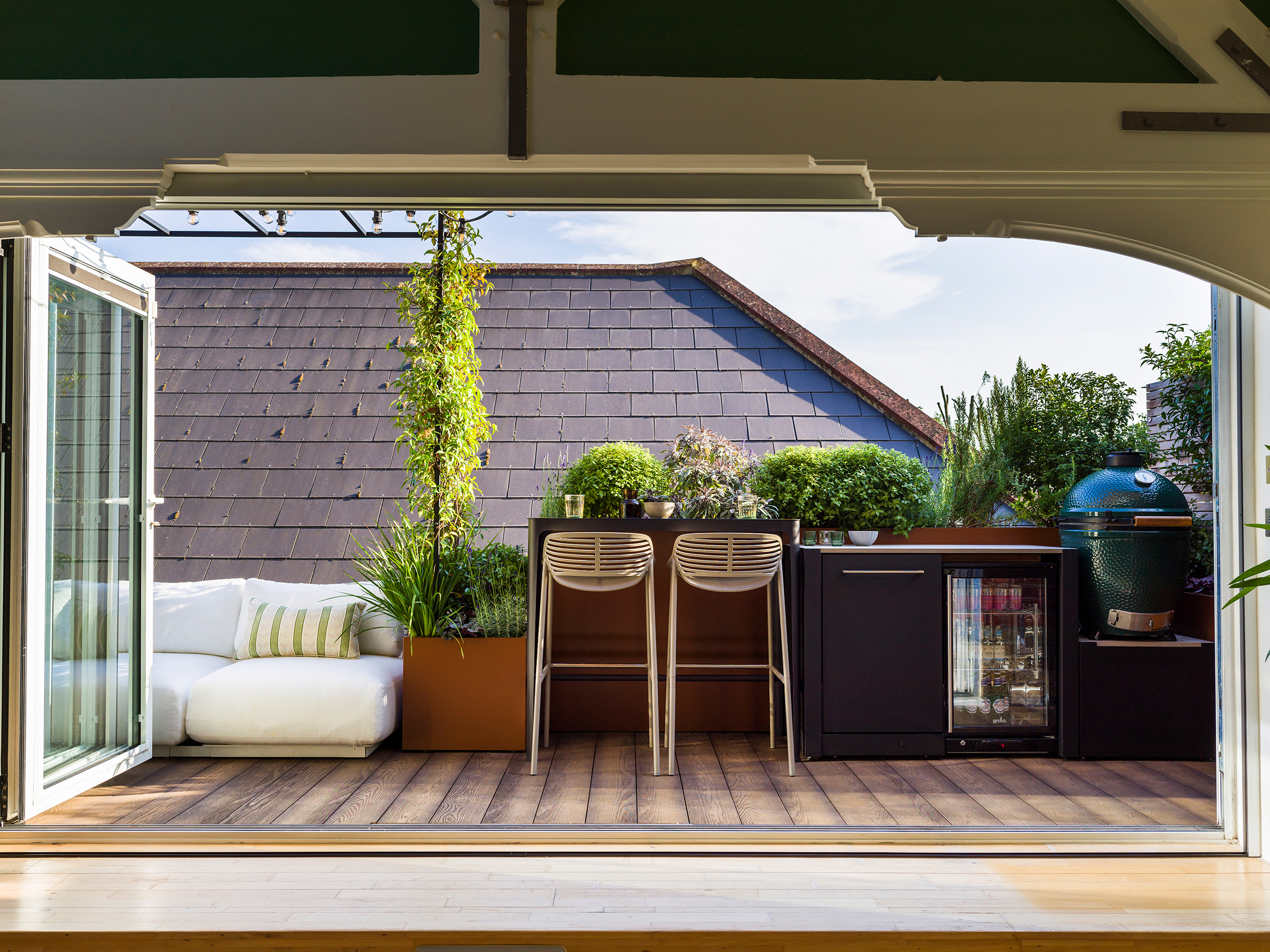
Urban designers are getting bolder with large-scale pots, layered evergreens and textural climbers. Look for cohesive colour runs in containers and “vertical rooms” that make the most of every horizontal and vertical metre of space. We came back from Milan design week this year with a trunk load of new products for every urban outdoor space to maximise use and green every last bit possible.

6.
Edible, perennial and “forest garden” planting woven into ornamentals
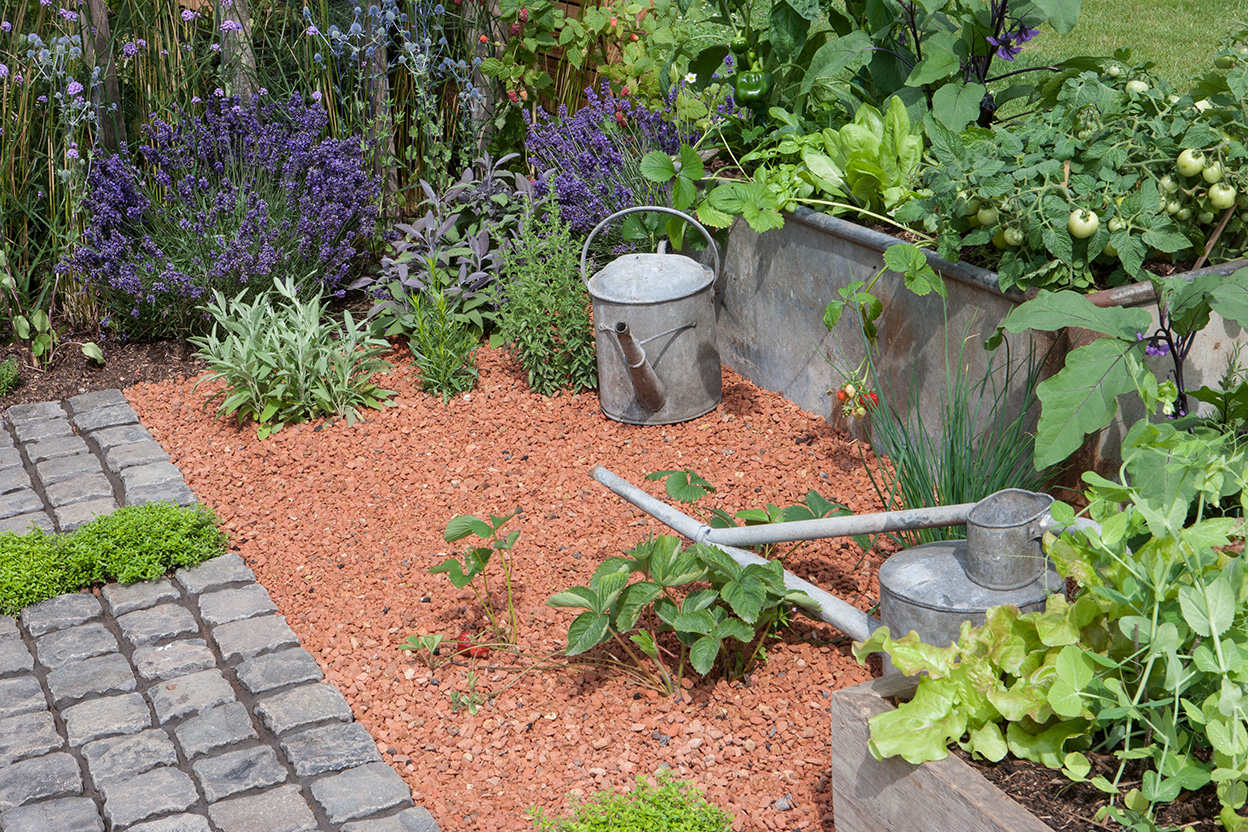
Perennial veg, edimentals and micro-orchards are designed as beautiful structure, not cordoned-off kitchen plots. The theme runs from editorial trend lists to show-garden micro-briefs.
7.
Outdoor rooms that really work (multifunction first, not just a sofa)
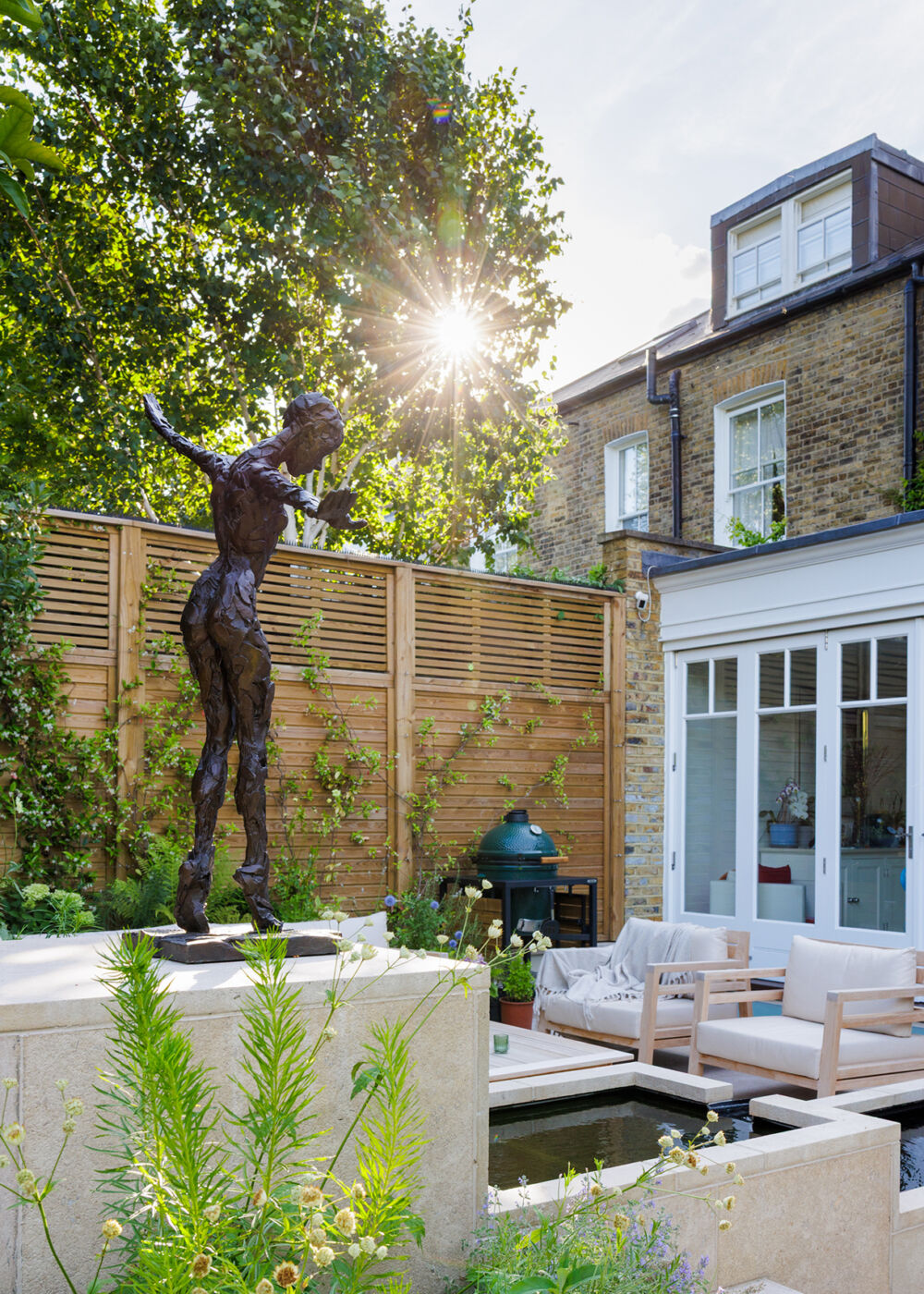
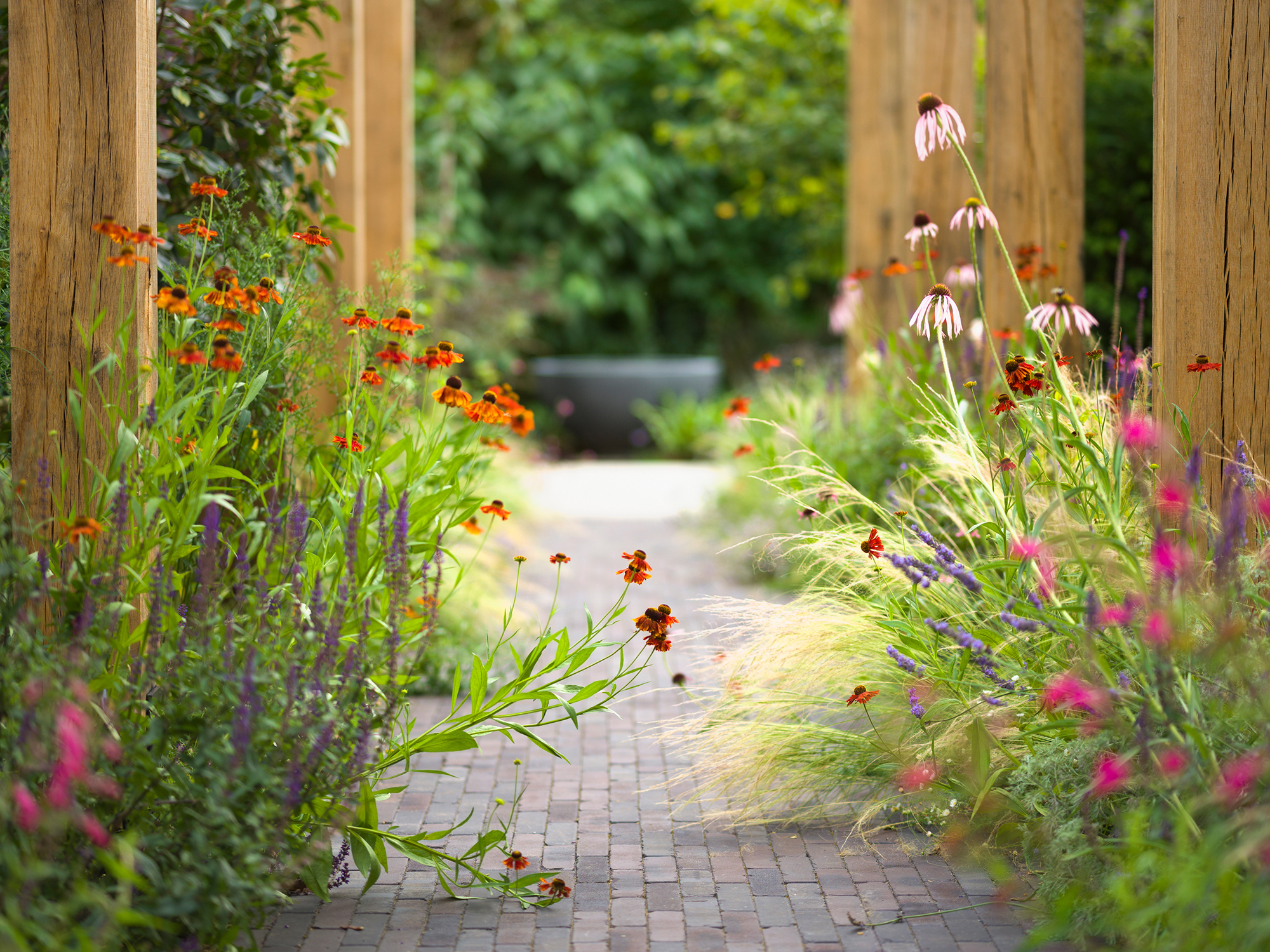
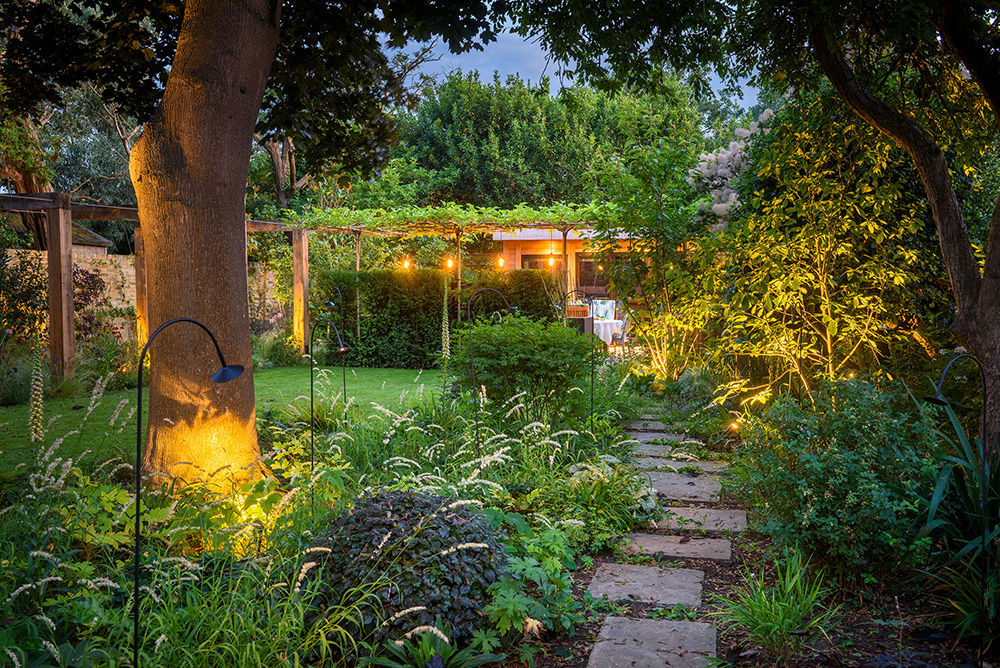
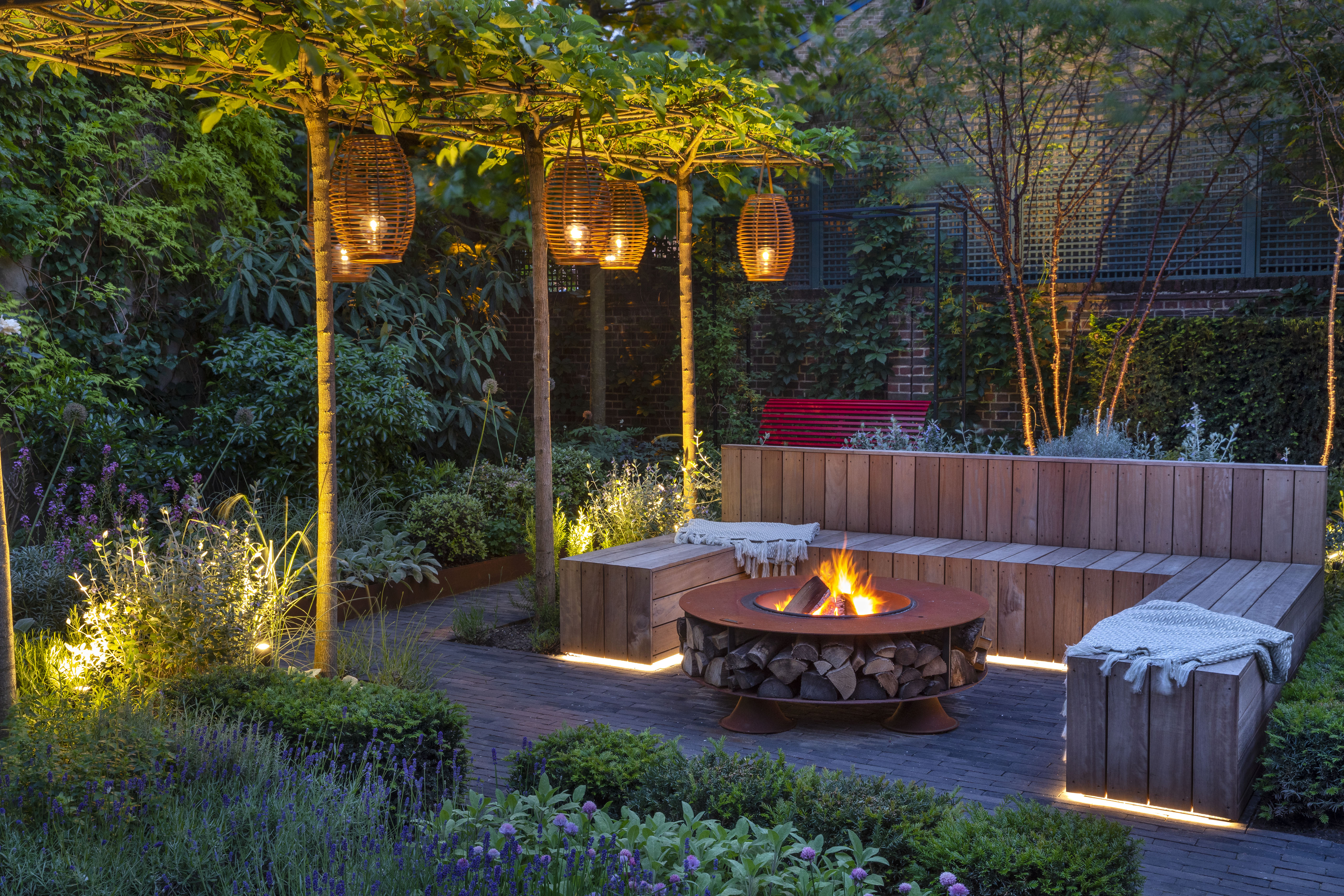
Pergolas, garden rooms and flexible layouts that flip between family, work and wildlife uses keep rising—often with natural shade, modest tech and honest materials rather than full outdoor kitchens. Our clients are briefing more refined cooking experiences that create a holiday hideaway experience rather than show off dinner party. The switch between family space and cosy outdoor room has never been more important and the overlap of materials, planting and injection of clients personalities amplifies this trend.
8.
The great De-paving (We are going permeable or planted)
With the RHS highlighting how much of Britain’s gardens are now paved or plastic-turfed, designers are countering with gravel gardens, rain-friendly setts and planting-heavy front gardens. Water-efficiency messaging reinforces the need to change our gardens to deal with changing weather patterns including prolonged drought and flash flooding. Removing just one slab from a side to side yard of paving to introduce a planting pocket can have a significant positive effect on drainage and wildlife.
How do these trends work in practice?
- Planting: drought-tolerant backbone (e.g., Arbutus, Phillyrea, Cistus, Perovskia, Hylotelephium), grass–shrub matrices, and coastal accents; layer edibles (Amelanchier, Rubus ‘Buckingham Tayberry’, perennial kales) into borders.
- Hardscape: reclaimed York stone, permeable gravel/cedagravel, charred larch cladding, wicker/wood furniture; avoid wide-format porcelain unless slip-rated and permeable detailing compensates.
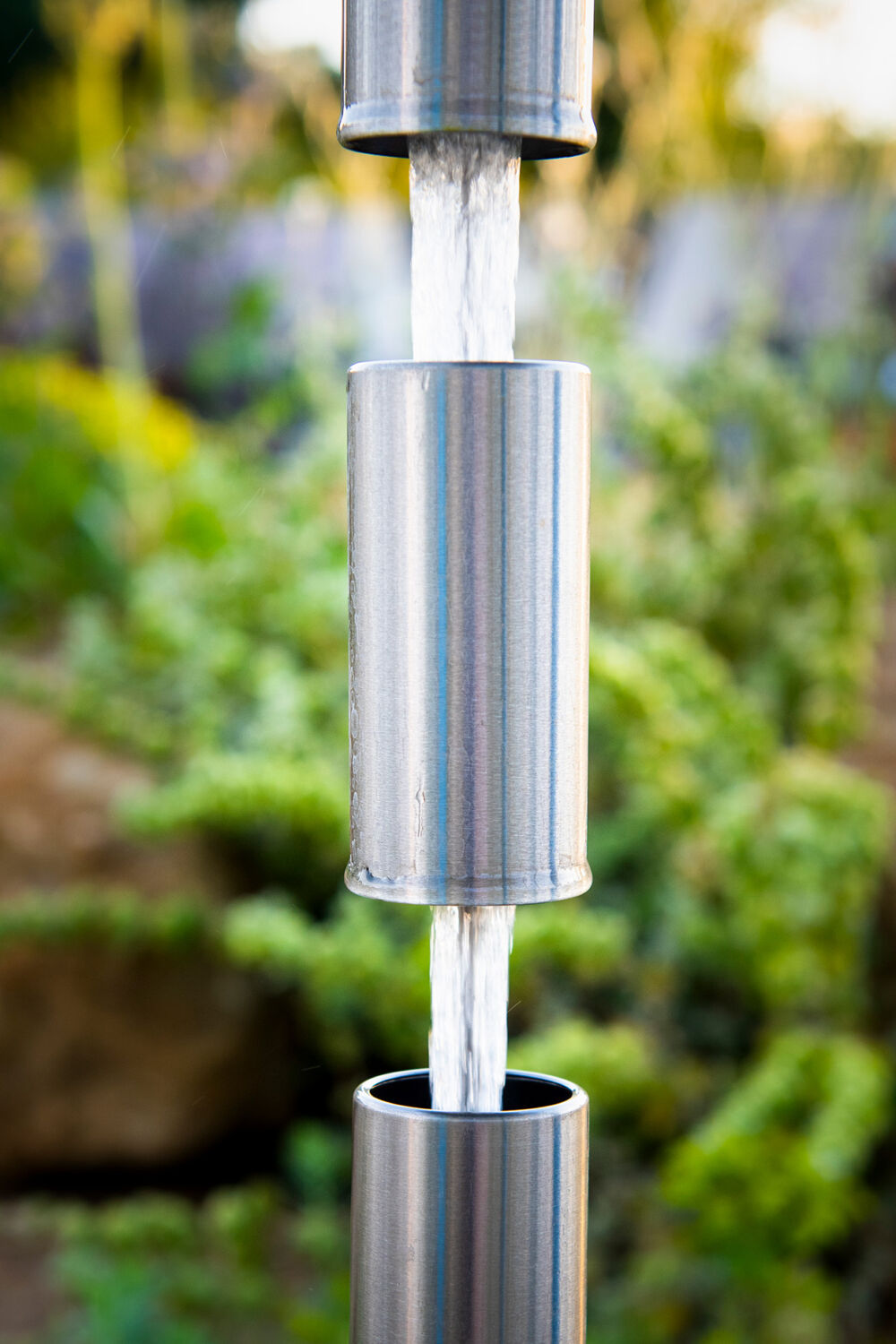
- Detailing: log stack walls, bee bricks, small wildlife ponds/rills, rain chains to stone sumps, and deep containers to build height/texture in tight streetscapes.
- Management: irrigation shifts to harvested-water drip, “soak deeply, less often,” and lawn-downplaying with resilient meadows or no-mow matrices.